Forest Department grapples with 137 rescued snakes
 Collected Image
Release plan yet to be finalised amid concerns over public safety
CHUNARUGHAT: The Forest Department in Habiganj has fallen in dilemma over where and how to release 137 snakes rescued from different locations, most of which are venomous cobras.
Officials are concerned that releasing such a large number of snakes into a forest at once could pose risks to nearby communities. As a result, the snakes were not released even after being taken to the Rema-Kalenga Wildlife Sanctuary in Chunarughat. They are currently being kept at the Habiganj Forest Department's rescue centre.
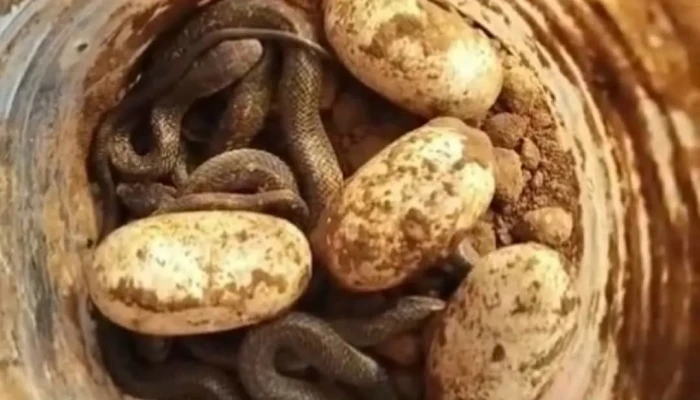
According to Forest Department data, the rescued reptiles include 70 monocled cobras, 60 spectacled cobras, five rat snakes, one adult rat snake and one adult spectacled cobra. The department has also recovered five snake eggs. Altogether, 137 snakes and eggs have been rescued, most of them juvenile snakes.
Forest Department officials said that, under normal circumstances, five to 10 rescued snakes are released into forests soon after recovery. However, the unusually large number of snakes involved in this case has made the decision more complicated. The presence of adult snakes and eggs has also necessitated additional caution.
They said several settlements, including Kalenga, Rema and Chanbari, are located near the Rema-Kalenga Wildlife Sanctuary. Releasing so many venomous cobras at once could trigger panic among local residents and potentially expose them to safety risks.
Mahmud Hossain, wildlife officer in Habiganj, said the snakes were currently being kept at the Forest Department's rescue centre.
"Whether releasing such a large number of snakes together could pose a threat to human life and property is being assessed. A decision will be taken after consulting senior officials and wildlife experts," he said.
Local environmental activists, meanwhile, said cobras play an important role in controlling rat populations and should therefore be returned to their natural habitats. However, they suggested that the snakes be released gradually in separate, suitable locations away from human settlements to minimise potential risks.
They also stressed the need to ensure appropriate temperatures and a safe environment for the snake eggs to hatch.
The Forest Department said the health, feeding and temperature conditions of the rescued snakes were being monitored at the rescue centre. It plans to release them in phases after receiving expert recommendations.
However, no final decision has yet been made on when or where the snakes will be released.

 Collected Image